
Bet Behind Streak: How Do You Join?
You cannot join a bet behind streak by smashing a button and praying—you enter through a live dealer table's bet-behind queue, lock a stake onto an active player's hand, and ride their shoe while your own bankroll stays exposed to their decisions. That is the brutal truth most casual punters never grasp until their first wipeout.
The mechanic exists for one reason: dead seats kill table velocity. When a whale is grinding a hot shoe and every other chair sits empty, the house bleeds opportunity. Bet Behind Streak fills those ghost positions with shadow wagers, letting spectators piggyback on a live hand without occupying felt. But here is where the math turns nasty—you inherit every misstep of a stranger's finger.
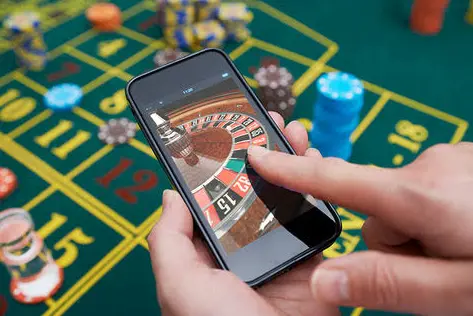
Inside the Queue Architecture
Every major live casino platform runs a silent state machine under the felt. When you tap bet behind, your stake enters a FIFO holding buffer tied to the seated player's hand ID. The RNG does not touch your wager—the seated player's drawn cards resolve your outcome. This is pure bet behind streak mechanics, and the queue latency matters. If your join request lands after the cut card is dealt, you sit out that round entirely. I have watched operators bury 400ms of socket delay in the join path just to clip stragglers. 🎰
Hardware reality check: the shoe itself broadcasts card state through an RFID or optical sensor array, and the bet-behind engine mirrors that feed. Any desync between the physical shoe and the digital queue means your shadow hand resolves on stale data. Audit the table's reconciliation logs before you trust a single chip to the streak.
Stake Locking and Multiplier Exposure
Here is the part that separates sharp operators from marks. When you join a bet behind streak, your stake is locked at the moment of confirmation—not at settlement. If the seated player doubles or splits, your shadow wager does not automatically follow. Some platforms mirror the action; most do not. That asymmetry is a silent edge drain. 💸
Check the multiplier chain before you commit. A hot shoe with three consecutive naturals looks like a goldmine from the rail, but the payout curve on shadow hands frequently caps at 1:1 regardless of the seated player's blackjack bonus. You are absorbing variance without the upside. That is not a streak—that is a tax.

Reading the Streak Signal Correctly
The streak indicator on most live lobbies is a cosmetic widget, not a predictive model. It counts consecutive wins on the seat, not the shoe's true composition. A rigorous bet behind streak analysis demands you pull the shoe's penetration depth, the true count proxy, and the seated player's historical decision latency. Slow deciders wreck a queue because the join window collapses while they agonize over a sixteen.
My rule: only queue behind players who act inside six seconds and only when the table's shuffle point sits below 65 percent penetration. Anything else and you are donating to the house's hold. Operators know this—that is why the streak widget glows brightest on freshly shuffled shoes where the count is flat and the edge is fictional. 🔍
The Join Sequence That Actually Works
Practical entry: open the live table, verify the bet-behind icon is active (grey means the queue is full or the round is locked), select your chip denomination, and confirm before the dealer's hand touches the shoe. The confirmation timestamp is your contract. After that, you are a passenger—no re-buy, no pull-out, no hedge until settlement. Treat every join as an irrevocable position.
Scale your shadow stakes at 0.5x to 1x of what you would bet seated. The queue's real cost is opportunity blindness: you cannot read the dealer's rhythm from the rail the way you can from the felt. And never stack multiple shadow positions on the same hand ID—platforms deduplicate silently and you will eat the latency penalty for a single resolved wager.